Home
About Us
Product Center
Solution
Blog
Contact Us
中晖窑炉
ZHONGHUI KILN
Technical Support
Technical exchange
Engineering achievements
Petroleum coke is classified into low-ash low-sulfur petroleum coke, medium-sulfur petroleum coke, and high-sulfur petroleum coke according to its sulfur and ash content. According to different refining processes, petroleum coke is divided into delayed coke, pot coke, fluid coke, and hearth coke. According to different forms, petroleum coke can be divided into four types: needle coke, shot coke or spherical coke, sponge coke, and powder coke.
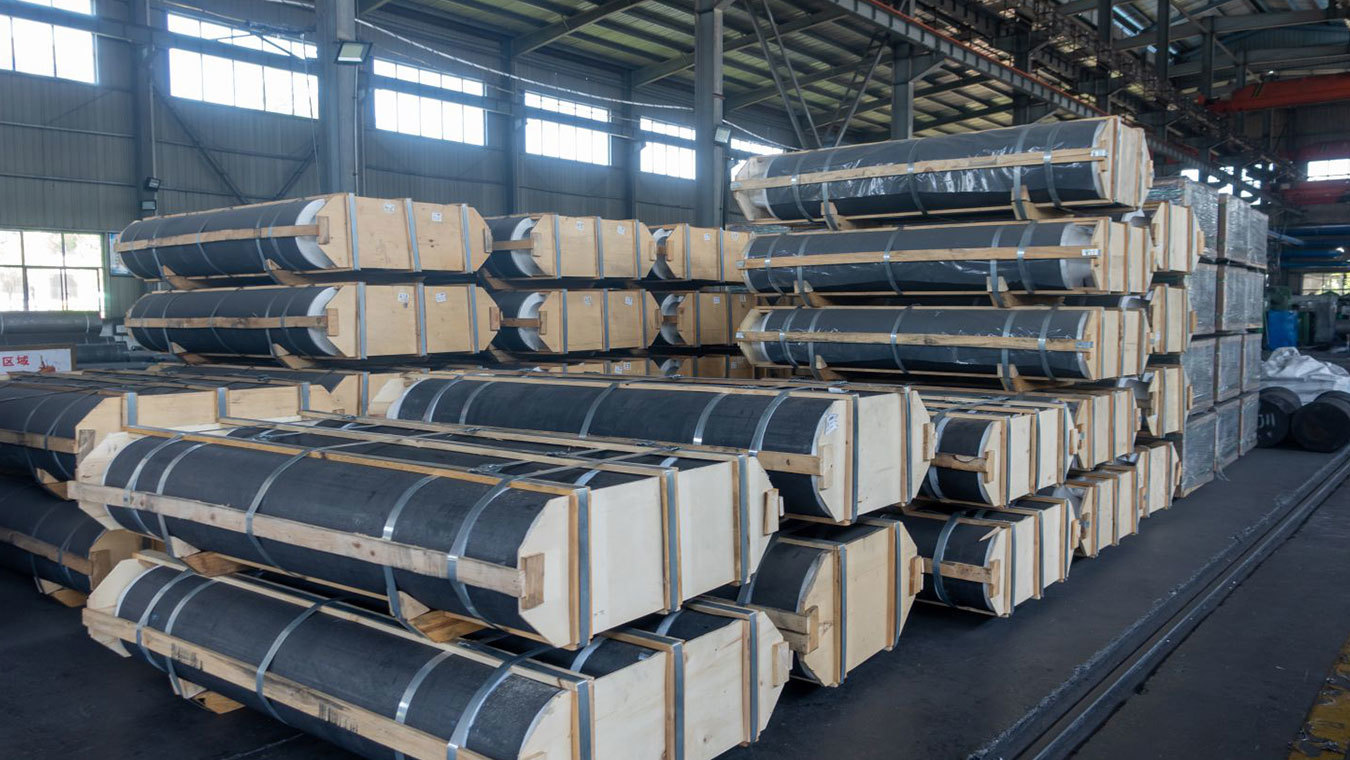
Graphite electrodes are classified into four categories: regular power graphite electrodes (RP), impregnated graphite electrodes (including graphite electrodes with antioxidant coatings and pitch-impregnated electrodes), high-power graphite electrodes (HP), and ultra-high-power graphite electrodes (UHP), based on indicators such as current density, flexural strength, compressive strength, density, resistivity, thermal shock resistance, coefficient of thermal expansion, and application. In principle, different qualities of ultra-high-power graphite electrodes are configured according to the quality indicators.
The production process of anode materials mainly includes the following steps: Pre-treatment: Mixing graphite raw materials (such as needle coke or petroleum coke) with a binder, followed by air jet milling (crushing). After mixing the graphite raw material with the adhesive in a certain proportion, it is transferred to a hopper via a vacuum feeder, and then fed from the hopper into an air jet mill for air jet milling, grinding the raw material into micron-sized particles.
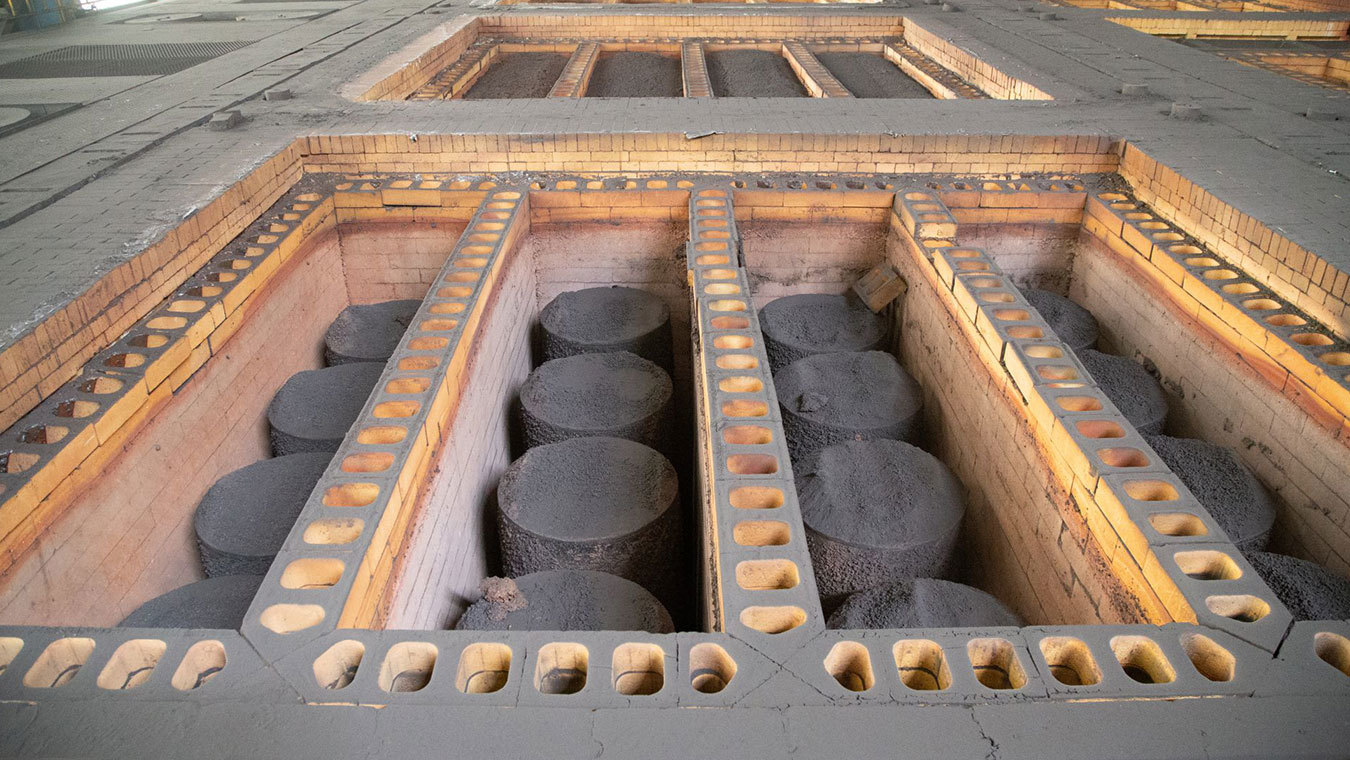
Prebaked anode is a type of carbon material for aluminum, belonging to the supporting industry of the aluminum industry and one of the main raw materials for electrolytic aluminum. According to relevant statistics, electrolytic aluminum enterprises need about 0.49~0.53 tons of prebaked anode to produce 1 ton of electrolytic aluminum. It is an irreplaceable consumable material in the current electrolytic aluminum process and an important consumable in the aluminum smelting process. Prebaked anodes have good electrical conductivity and high-temperature corrosion resistance, and are known as the "heart" of the electrolytic cell. Therefore, the quality of the anode directly affects the current efficiency, anode consumption, and the quality of the primary aluminum.
Aluminum cathodes are generally made from high-quality smokeless coal, coke, graphite, etc. Depending on the location of use, they are divided into bottom blocks, side blocks, ramming paste or carbon paste for connecting blocks, and cathode steel bars, etc.
Carbon electrodes are generally used in calcium carbide and industrial silicon smelting. Due to their large diameter and high current density, large-sized carbon electrodes are gradually shifting to using low-ash, low-sulfur petroleum coke as raw material to produce large-sized graphite electrodes for industrial silicon and calcium carbide smelting.
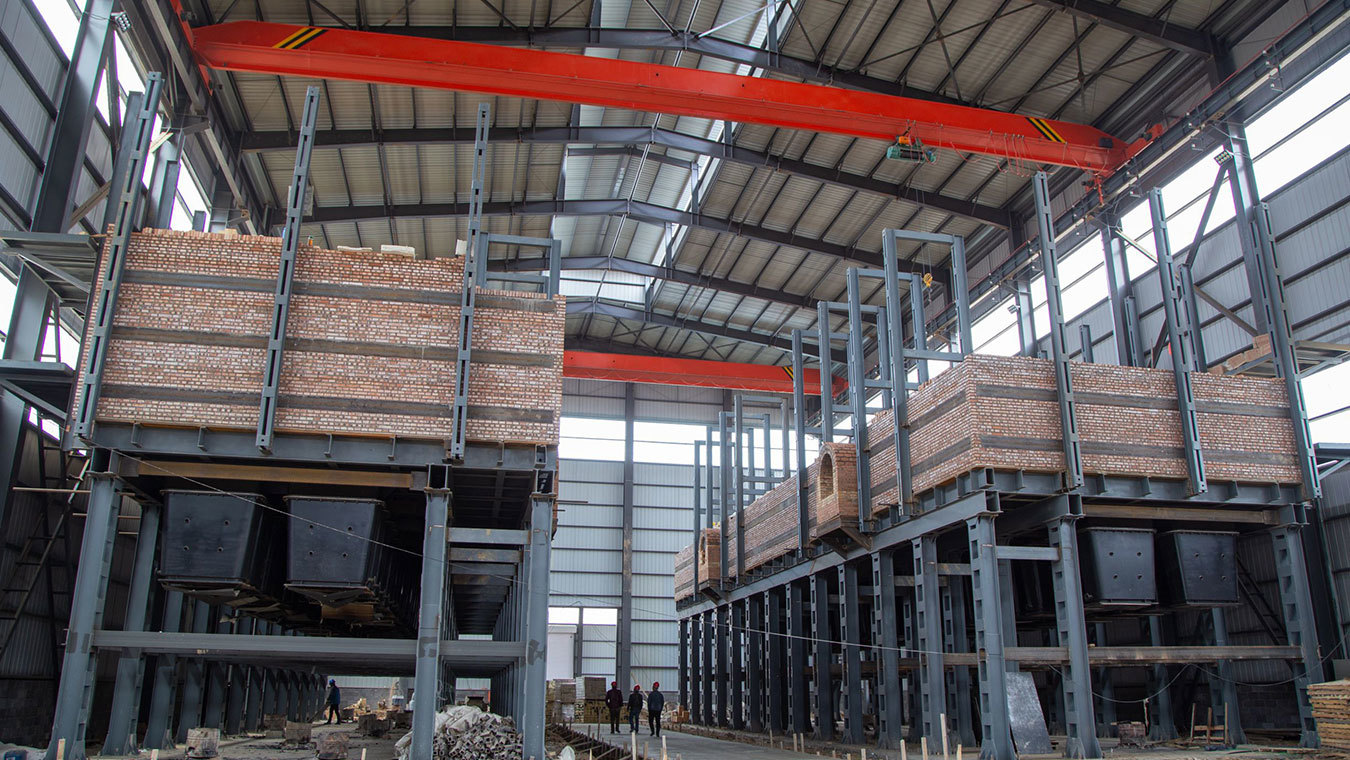
The production process of clay bricks has existed for more than 2000 years. Clay bricks, also known as red bricks, are a common building material for walls. The main raw materials used are clay, coal slag, lake silt, shale, etc. The production process involves four stages: raw material preparation, brick forming, wet brick drying, and finished product firing. The most advanced kilns currently available are rotary kilns and tunnel kilns, which can achieve fully automated operation throughout the plant, ensuring the highest level of product yield and quality. Our company can provide a complete EPC solution for tunnel kiln clay brick production lines.